
Understand Business Liability Claims in Plano - Your Guide
Business Liability Insurance Claims Process Guide: How to File, Document, and Settle Your Claim
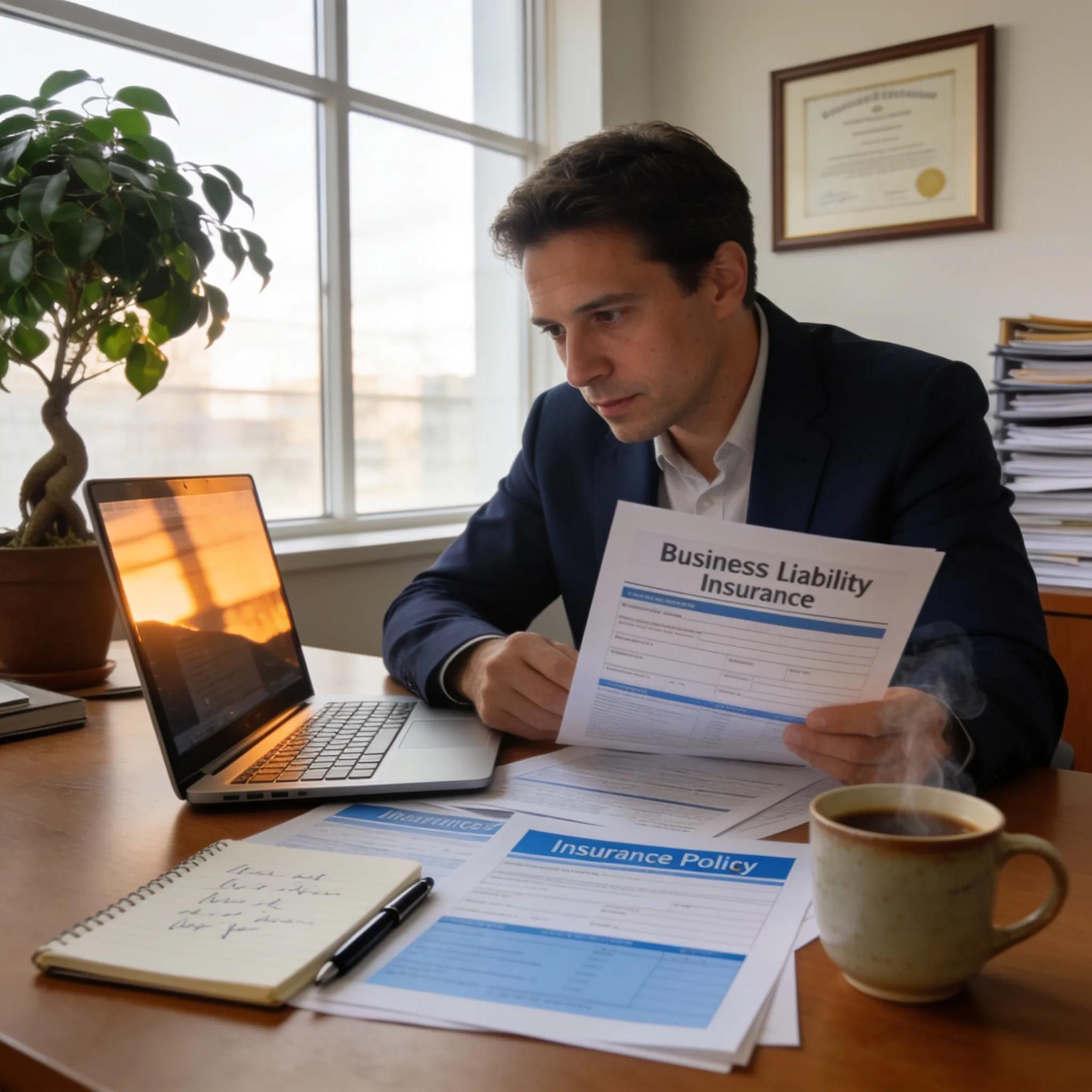
Navigating the claims process in business liability insurance can often feel overwhelming for business owners. This guide is designed to demystify the steps involved in filing, documenting, and settling claims, providing valuable insights that can help streamline the process. Business liability insurance is essential for protecting your company against unforeseen liabilities, ensuring peace of mind in the face of potential risks. Understanding how to effectively engage with the claims process not only simplifies the experience but also maximizes the likelihood of a favorable outcome. In this article, we will explore key facets of business liability insurance claims, including the necessary documentation, the claims adjustment process, and how to handle disputes or rejected claims.
What Is Business Liability Insurance and Why Do You Need It?
Business liability insurance provides coverage that protects businesses from financial losses resulting from claims of negligence, bodily injury, or property damage caused by business operations. By offering financial protection, this insurance is crucial for companies to survive potential lawsuits. The implications of not having adequate coverage can lead to severe financial repercussions, potentially crippling a business. Given the unpredictable nature of business-related risks, having this insurance forms a crucial part of effective risk management.
Which Risks Does Business Liability Insurance Cover?
Business liability insurance encompasses several critical coverage options that vary by policy. Common risks covered include:
- Negligence: Protects businesses from claims where negligence is alleged in a business operation.
- Property Damage: Covers damages incurred to third-party property due to business activities.
- Bodily Injury: Includes coverage for medical costs and legal fees resulting from injuries to individuals on-site.
- Personal Injury: Protects against claims of defamation, wrongful eviction, or invasion of privacy.
These categories collectively ensure that businesses are safeguarded against various liabilities that could threaten their existence.
Who Is Involved in Your Business Liability Insurance Policy?
Understanding the roles of key parties involved in your business liability insurance policy is essential:
- Insurer: The company providing the insurance coverage, responsible for financial protection.
- Insured: The business entity that holds the policy, receiving coverage and financial assistance as needed.
- Third-Party Adjuster: A mediator who evaluates claims, assesses damages, and helps settle disputes between the insurer and the insured.
Each party plays a significant role in ensuring the claims process operates smoothly and effectively.
How Do You File a Business Liability Insurance Claim?

Filing a business liability insurance claim requires careful attention to detail and timely action. Understanding the structured filing process can significantly impact the outcome of your claim.
What Are the Key Steps to Submit Your Business Liability Claim?
The following steps outline the process for submitting a business liability claim:
- Notify Your Insurer: Contact your insurance provider as soon as an incident occurs.
- Collect Evidence: Gather all relevant documentation, including photographs, witness statements, and damage reports.
- Complete Claim Forms: Fill out any required claim forms accurately and thoroughly.
- Follow Up: After submission, maintain communication with your insurer to track the claim’s status.
By adhering to these steps, you can facilitate a smoother claims experience.
How to Report a Business Liability Claim Effectively and Timely?
To report a business liability claim effectively, consider the following best practices:
- Timeliness: Report the incident as soon as possible to avoid delays.
- Clear Communication: Use clear and professional language when communicating with your insurer.
- Documentation: Keep a detailed record of all correspondences related to the claim.
Implementing these strategies ensures that your claim is taken seriously and assessed promptly.
What Documentation and Evidence Are Required for Your Business Liability Claim?
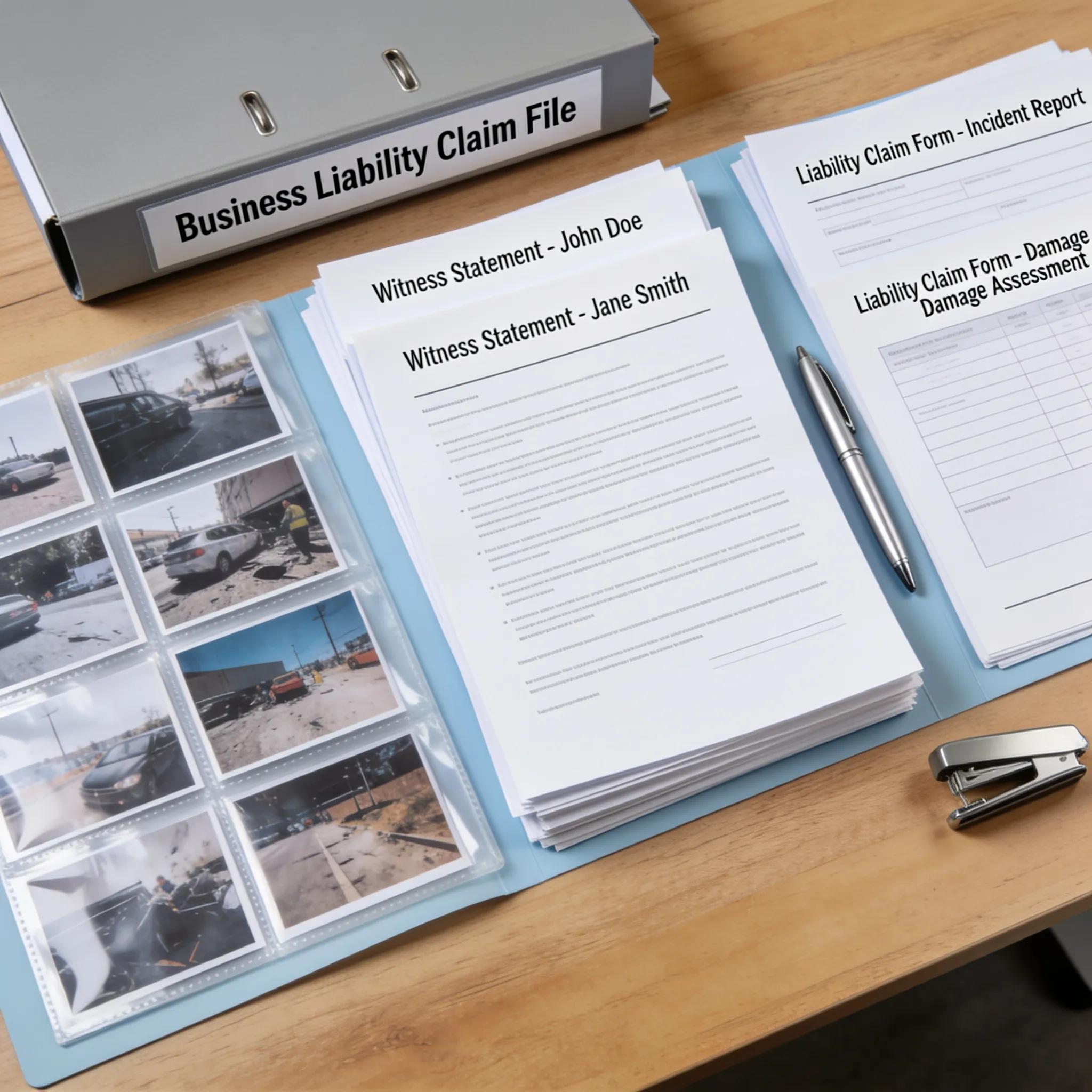
Having the right documentation is critical for successfully navigating a business liability claim. Proper evidence not only supports your case but also expedites the claims process.
How to Prepare and Organize Your Insurance Claim Documentation?
To prepare and organize your claim documentation effectively:
- Categorize Evidence: Group documents based on incident details, damages, and expenses.
- Maintain Copies: Ensure you have copies of all submissions for your records.
- Use an Organized System: Consider digital tools or notebooks to keep track of all relevant information.
Such proactive organization can prevent confusion during the claims process.
Why Is Accurate Documentation Critical to Your Claim’s Success?
Accurate documentation directly influences the success rate of your claim. Examples of inaccuracies leading to claims denial include:
- Incomplete Forms: Missing details in forms can result in an automatic rejection.
- Inconsistent Evidence: Discrepancies between your statements and the provided evidence raise doubts.
- Late Submissions: Delayed documentation can impact your claim negatively.
Fostering accuracy and clarity in your documentation can lead to a smoother claims experience and a higher chance of approval.
What Happens During the Claims Adjustment and Settlement Process?
Understanding the claims adjustment and settlement process is vital for managing expectations and ensuring optimal outcomes. This phase involves a systematic review of your claim by the insurance adjuster.
How Does the Insurance Adjuster Assess Your Business Liability Claim?
The insurance adjuster’s role is crucial in evaluating your claim. They assess various factors such as:
- Incident Details: Reviewing the circumstances surrounding the claim.
- Documented Evidence: Analyzing the evidence presented to support your claim.
- Policy Coverage: Determining the extent of coverage applicable to the incident.
Their assessment influences the final settlement offer made to you.
What Are Typical Timelines and Settlement Procedures for Liability Claims?
The timelines and procedures for the settlement of liability claims can vary significantly. Typically:
- Initial Assessment: 24-48 hours after filing.
- Claim Review: A detailed review can take anywhere from 2-4 weeks.
- Settlement Offer: Expect an offer within 8-12 weeks following approval of the claim.
Understanding these timelines can help manage your expectations during the process.
How Do You Handle Disputed or Rejected Business Liability Claims?
Claims disputes or rejections can be daunting. Knowing how to respond is essential for protecting your business interests.
What Are Your Options If Your Business Liability Claim Is Denied?
If your claim is denied, consider these options:
- Request a Detailed Explanation: Ask for clarity on the denial reasons.
- File an Appeal: Many insurers allow the submission of appeals against denied claims.
- Seek Mediation: Involving a neutral third party can assist in resolving the dispute.
These strategies can help push the claim towards a more favorable resolution.
When and How Should You Seek Legal or Regulatory Assistance in Claim Disputes?
Involving legal assistance may be necessary when:
- Denial Appears Unjustified: If evidence strongly supports your claim.
- Extensions from Insurer: If your insurer delays the claims process.
- Potential Litigation: When preliminary negotiations fail, consider pursuing legal action.
Consulting with legal professionals who specialize in insurance claims can provide critical guidance during disputes.
Are There Plano-Specific Considerations in Business Liability Insurance Claims?
When filing claims in specific regions, local regulations may impact the process. Understanding these regional nuances is essential for compliance and optimal outcomes.
What Local Regulations Affect Business Liability Claims in Plano?
In Plano, certain local regulations may affect business liability coverage and claims procedures. It is vital for business owners to be aware of:
- State-Specific Policies: Insurance laws that vary from state to state.
- Regulatory Changes: New laws that may impact claims processes.
Being informed about these regulations can help in formulating effective claims strategies.
How Can Plano Businesses Efficiently Track and Manage Their Claims?
Effective claim management practices for Plano businesses include:
- Utilizing Technology: Employ claim management software to track progress and documentation.
- Regular Updates: Schedule consistent check-ins with insurers to keep abreast of claims status.
- Filing Systems: Maintain organized filing systems for quick access to claim documents.
Implementing these methods can lead to improved tracking and management of business liability insurance claims.