
Understand Small Business Liability Levels in Plano Today
Small Business Liability Coverage Levels Explained: Understanding Costs, Types, and Requirements in Plano

Navigating the landscape of liability insurance is crucial for small business owners in Plano, Texas. With various types of coverage available, understanding what each option entails and how it protects your business can save you from potential legal and financial pitfalls. This article will explain the essential liability coverage levels, the types of policies available, and local regulatory requirements. Readers will gain insight into common coverage levels, the factors influencing insurance costs, and how to choose the right coverage tailored to their unique business needs. By addressing these key areas, your business can achieve a solid foundation of protection while ensuring compliance with state laws.
What Are the Key Types of Liability Insurance for Small Businesses?
Liability insurance protects small businesses from claims resulting from injuries and damage to people or property. Understanding the different types available is vital for making informed decisions.
General, Professional, and Product Liability Explained
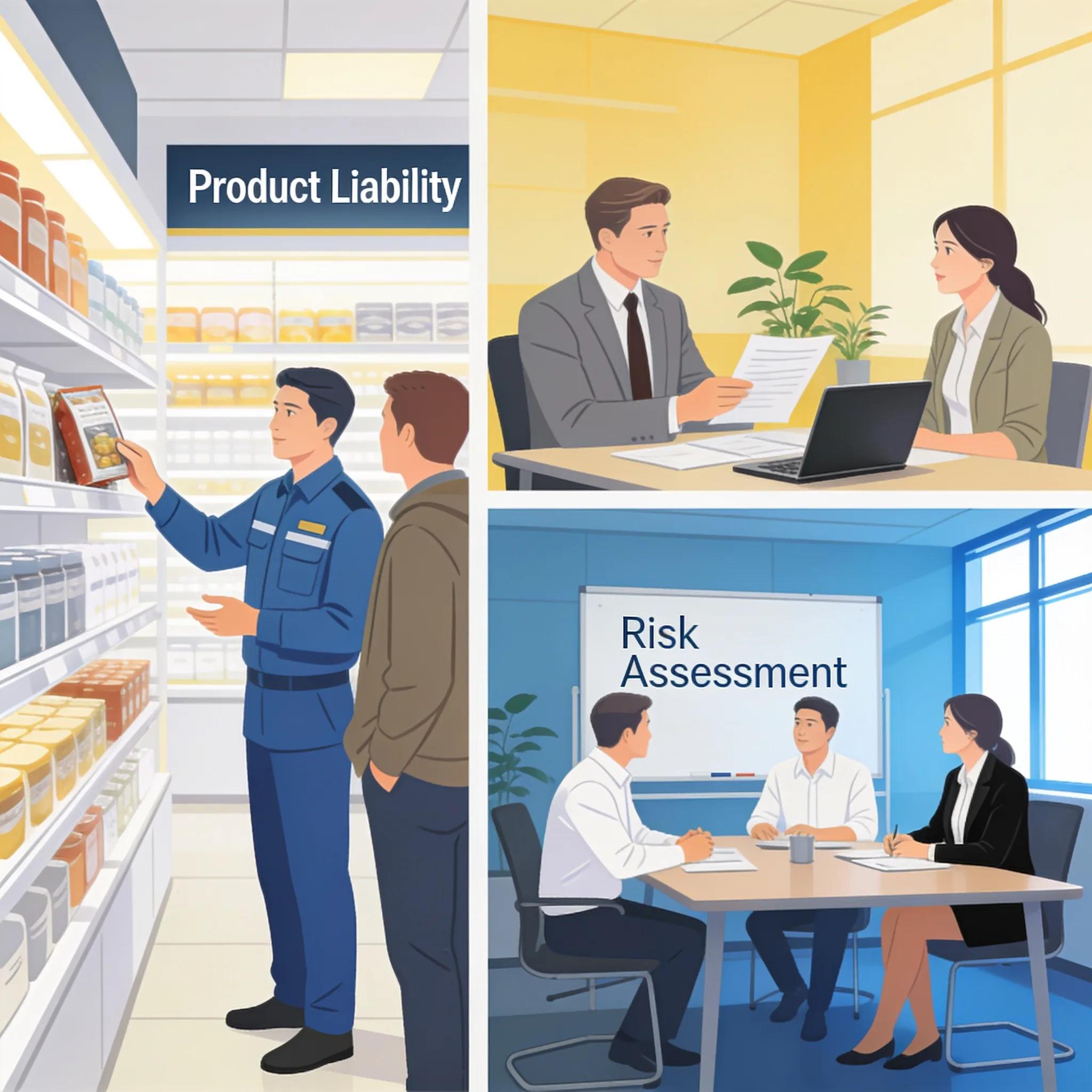
General liability insurance covers common risks faced by businesses, such as slip and fall accidents or property damage. Professional liability insurance, also known as errors and omissions insurance, protects businesses that provide professional services against claims of negligence or failure to perform their duties. Product liability insurance is essential for businesses that manufacture or sell products, guarding against claims related to injuries or damages caused by their products. Each type is crucial depending on the specific operations and risks associated with your business.
How Each Liability Type Protects Your Business
Understanding how each type of liability insurance safeguards your business cannot be overstated. General liability insurance can mitigate the financial burdens from lawsuits or claims, safeguarding assets and providing peace of mind. Professional liability coverage ensures that any claims regarding professional services do not financially cripple your business. Product liability coverage protects against costly legal battles that may arise from defective products, which could otherwise lead to significant financial loss and damaged reputation.
How Do Liability Coverage Levels and Policy Limits Work?
Liability coverage levels refer to the amounts for which your business is insured in the event of a claim. Policy limits are the maximum amounts your insurer will pay for covered claims.
Defining Coverage Amounts and Policy Limits
Coverage amounts are defined explicitly in your policy and can vary based on industry standards and the unique risks associated with your business. Policies usually include specific provisions for minimum and maximum coverage limits. Understanding these terms is critical, as they define your financial exposure in case an event occurs.
What Are Common Coverage Levels for Small Businesses?
Common coverage levels for small businesses can include amounts such as $1 million per occurrence and $2 million aggregate for general liability insurance. These limits can vary significantly by industry, with higher-risk businesses usually requiring more extensive coverage.
| Coverage Type | Coverage Limits | Typical Costs |
|---|---|---|
| General Liability | $1 million per occurrence | $400 - $1,000 annually |
| Professional Liability | $1 million per claim | $800 - $1,500 annually |
| Product Liability | $1 million per occurrence | $450 - $1,000 annually |
This table illustrates the typical costs associated with different coverage types for a small business, helping you make more informed decisions.
What Are the Liability Insurance Requirements for Small Businesses in Plano, Texas?
Understanding local regulations and insurance requirements is necessary for compliance and protection.
Local Regulations and Mandatory Coverage Levels
In Plano, Texas, there are specific mandatory insurance requirements that business owners must adhere to. Most businesses are required to carry general liability insurance, and some industries may have additional requirements. Non-compliance can lead to penalties, making it crucial to verify what is appropriate for your sector.
How State Laws Influence Your Coverage Options
State laws significantly impact the coverage options available to businesses. Regulatory bodies regulate the minimum coverage levels required, affecting both the availability of policies and premiums. It's essential to stay updated on any changes in state legislation that could influence your insurance needs.
Which Factors Influence Small Business Liability Insurance Costs?

Various factors influence the cost of liability insurance for small businesses, making it crucial to understand what contributes to your premiums.
Key Risk Factors Affecting Your Premiums
Several risk factors can affect your premiums, including the number of employees, the industry you operate within, and your business's claims history. Higher-risk industries typically face higher insurance costs. For example, businesses in construction or manufacturing often pay more due to the potential for workplace accidents or injuries.
How Coverage Level Choices Affect Overall Insurance Expenses
Coverage levels directly impact costs—choosing higher limits can result in increased premiums. However, opting for minimal coverage may lead to significant financial risks in the event of a claim. It’s important to evaluate the trade-offs between costs and coverage adequately.
How to Choose the Right Liability Coverage Level for Your Small Business
Selecting the right liability coverage is paramount to protecting your business from unforeseen liabilities.
Assessing Your Business Risks and Exposure
Assessing your business's unique risks is the first step in determining the appropriate coverage levels. Consider conducting a risk assessment to identify potential areas of vulnerability that may require additional protection.
Balancing Protection and Cost Effectiveness
It is important to find the right balance between adequate protection and cost-effectiveness. A comprehensive analysis of various policies can help determine which offers the best value while meeting your coverage needs.
For those seeking high-quality liability coverage options, local insurance brokers can provide guidance tailored to your business. Engaging a professional can streamline the process and ensure you are well-informed about costs and requirements.
What Are Frequently Asked Questions About Small Business Liability Coverage?
Addressing common concerns can empower small business owners, paving the way for informed decision-making.
What Is the Minimum Liability Coverage for Small Businesses?
In Texas, there are no specific minimum liability coverage amounts mandated for all businesses. However, general recommendations suggest carrying at least $1 million in coverage per occurrence to adequately protect against potential claims.
How Are Liability Coverage Limits Determined?
Liability coverage limits are typically determined based on factors such as industry standards, risk exposure, and business size. Insurance carriers may analyze your business operations to assess your risk exposure before setting the appropriate limits for your policy.
By understanding these aspects of liability insurance, small business owners can make informed choices to safeguard their interests while fulfilling regulatory requirements in Plano, Texas.